1. Describe and locate
The team asks where the smell is strongest, how long it has been there and what could have died, then plans the search.
Richland, MI · Kalamazoo County
A strong sickly-sweet smell in your Richland house could mean an animal died in the walls. Call (877) 812-4220 to get dead animal cleanup, removal of soaked insulation and sanitizing.
If anyone is in danger, call 911 first. For a suicide crisis, call or text 988.
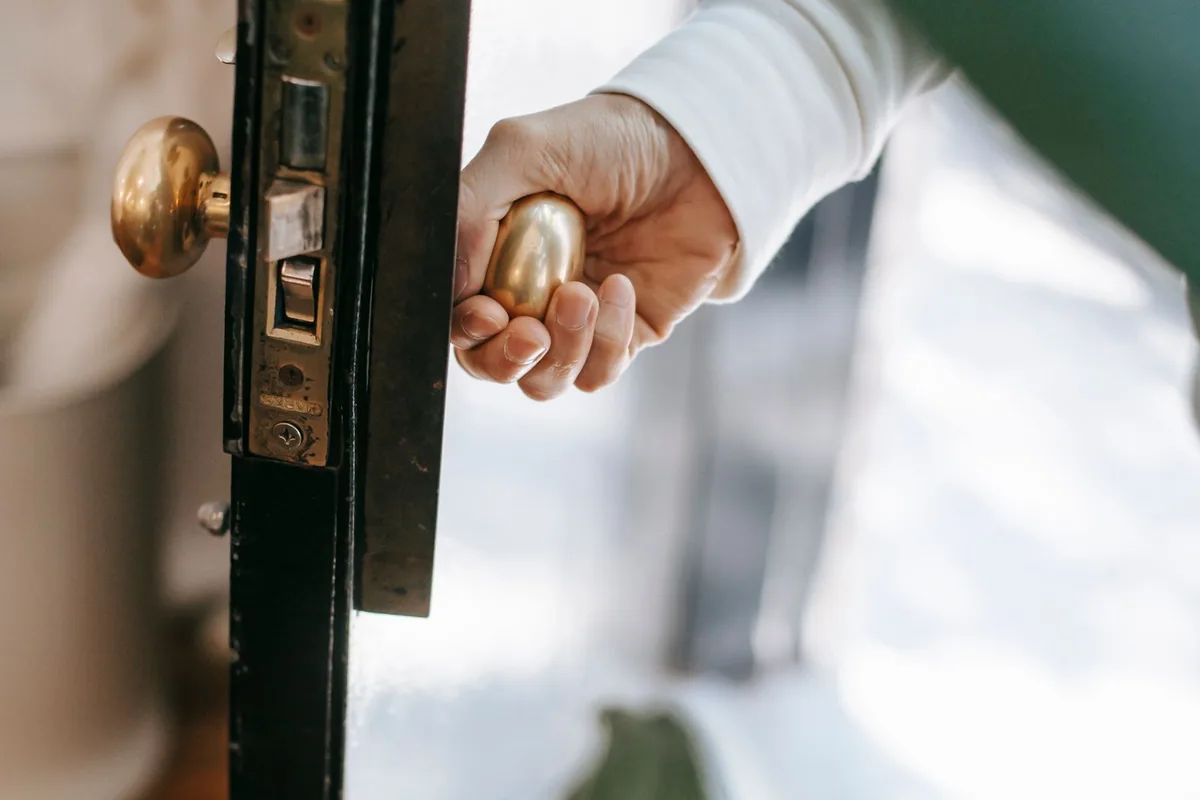
Dead animal removal service teams handle what pest control and wildlife professionals often leave behind: carcasses that cannot be reached, fluids in insulation, stains and the lingering smell.
Want a dead animal removed from your Richland property without a mess? You can call Richland Biohazard Cleanup Help from anywhere in Kalamazoo County. Cleanup technicians work discreetly and keep family members, tenants and staff away from the area.
Only about 34% of homes in Richland were built before 1980, but newer homes still have attics, vents and wall voids that animals can reach. Most housing in Kalamazoo County is occupied, with a vacancy rate of about 7%, so a smell is usually noticed quickly, but wall voids and crawl spaces still hide carcasses.
A typical dead animal removal & cleanup job includes:
The team asks where the smell is strongest, how long it has been there and what could have died, then plans the search.
The work zone is sealed off, and the animal is removed with care for the family, especially when it is a pet.
The carcass, nest and soaked insulation are packed out, and the area is cleaned to bare structure.
Remaining surfaces are disinfected, the air is treated, and the owner is walked through what was done.
Most dead animal removal & cleanup jobs in Richland, MI cost between $150 and $250, based on published cost guides.
Commercial, rental and vacant properties often need documented cleanup, which adds time but supports managers, buyers and landlords.
| Type of job | Typical range |
|---|---|
| Dead animal removal | $150 - $250 |
| Dead animal removal | $150 - $250 |
Estimates only, not a quote. Sources: Bob Vila, HomeAdvisor. Price drivers include where the animal is, whether walls must be opened, size of the animal, odor and cleanup afterward. Call (877) 812-4220 to talk through the job.
It can be. Fluids can carry germs, and pests such as flies and fleas spread through the home. Do not touch it bare-handed, keep children and pets away and wash your hands well. People with asthma or sensitive lungs should stay out of the area.
Sometimes, but not always. Many homeowners policies exclude damage from animals or pests, and wording differs. Call your insurer before work starts, take photos and keep receipts, and ask what paperwork it needs.
Sometimes. A small animal in plain sight can be bagged with gloves and a heavy bag, sealed and disposed of properly. Hidden, large or long-dead animals are a different job, because fluids soak into materials and germs can spread.
It depends on the lease and local law. Tenants should tell the landlord or property manager right away. A landlord, an attorney or a tenant rights group can say who is responsible.
Insulation soaks up fluids and odor and cannot be reliably cleaned. Leaving it in place means the smell can return. Replacement insulation is usually a separate job.
Rules for removing and disposing of dead animals vary by city and county, and animal services handle public property in many places. Worker safety follows OSHA rules for contaminated materials. Ask your city or county what applies where you are.
A dead animal can carry germs, so protection comes first.
Call (877) 812-4220